Maintenance
Looking after a deck in north Florida
Sun, water, and humidity all working on the same surface at the same time. Here is what that does, and the sequence that makes a finish last rather than peel.
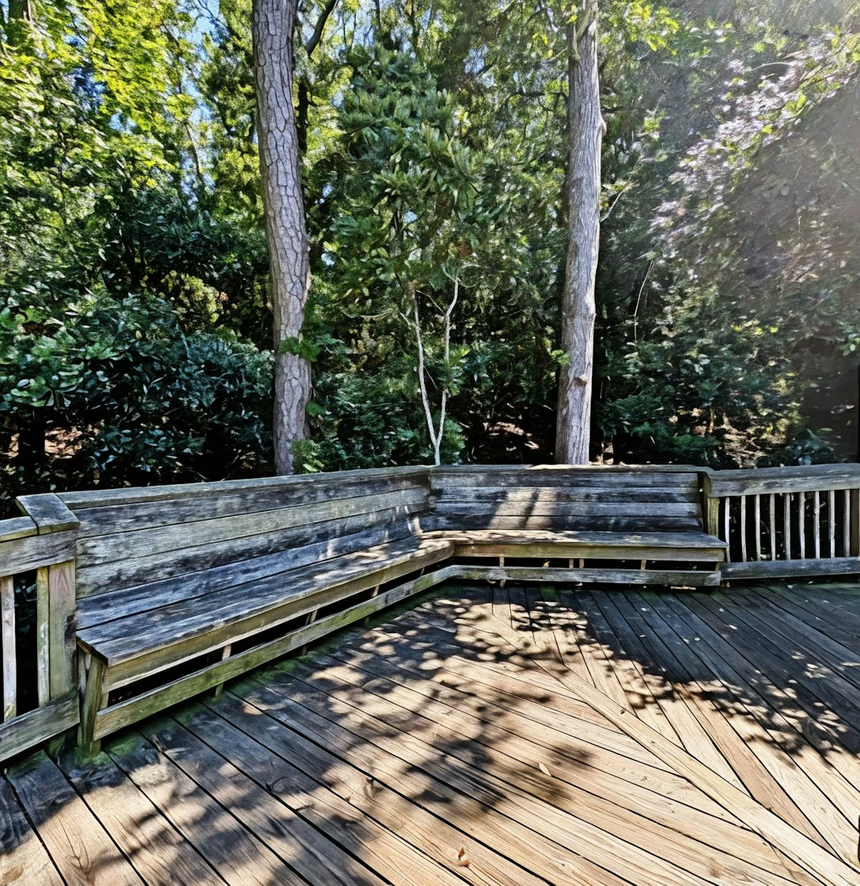
A finish on a wood deck here is losing three fights at once. Ultraviolet light breaks down the surface fibers and the pigment protecting them. Water cycles into and out of the boards with every summer storm, and the swelling and shrinking that goes with it works the coating loose. And in shade and damp, algae and mildew colonise the surface, which is a grip problem on a walking surface as much as an appearance one.
The sequence that works
Refinishing is unglamorous and the order is not negotiable. Clear the deck completely and get debris out of the gaps between boards, because that debris is holding moisture against the wood all year. Clean or strip back to sound wood with a product suited to whatever is currently on the boards. Brighten, which neutralises the cleaner and evens out the color. Let the wood dry through, not just on the surface. Then coat.
The step people skip is drying. A deck washed on Saturday and coated on Sunday is a deck with water sealed under the film, and that is what makes a finish peel in sheets a year later. In this humidity, drying through takes longer than it would in a dry climate, and there is no shortcut.
Pressure washing does more harm than people think
Southern yellow pine is soft enough that too much pressure, or a narrow fan held too close, carves the soft spring wood out from between the grain and leaves a furred surface. That surface then drinks finish unevenly and looks blotchy. Lower pressure with a wide fan, and a proper deck cleaner doing the chemical work, is both gentler and more effective. A deck that looks fuzzy after washing usually needs sanding before it can be coated.
Film-forming or penetrating
On a horizontal surface in full north Florida exposure, penetrating semi-transparent finishes generally outperform film-forming products. A film sits on the surface, and when water eventually gets under it, it lifts and peels, which means stripping before the next coat. A penetrating finish wears thin instead, which means the next coat goes on over a clean surface rather than a failing one.
Rails and skirting are different surfaces with different exposure and their own cycle. They usually last longer than the deck boards, and there is no rule that says everything has to be done at once.
When to do it
Outside the summer wet season. The work needs the deck dry through and needs the coat to cure without being rained on, and trying to find that window between afternoon thunderstorms in July is how people end up with a coat that never properly bonded. The cooler, drier part of the year is easier and the finish lasts longer for having gone on properly.
New treated lumber needs to wait
Freshly pressure-treated lumber carries a lot of moisture from the treatment process, and a finish applied before it has dried out cannot penetrate. Let a new treated deck weather first and test it with water: while it beads, the wood is not ready; once it soaks in, it is. That waiting period runs longer in this humidity than the general advice assumes.
Composite needs washing, not sealing
Capped composite and PVC should never be sealed. There is nothing for a coating to penetrate, so it sits on the cap and eventually flakes. What they do need is periodic washing, especially in shaded spots where algae builds up in this humidity, using a cleaner the manufacturer names. Harsher products can damage the cap and void the warranty.
Algae on a shaded deck
Green film on boards under canopy is not a defect in the material and it happens to wood and composite alike. It grows because the surface stays damp. Washing handles the symptom; the things that slow its return are keeping the gaps between boards clear so water drains and air moves, trimming back growth that keeps the deck permanently wet, and making sure nothing is sitting on the boards holding moisture underneath it. A doormat left in one place on a shaded deck for a year leaves an outline.
The annual check
Once a year, ideally when the deck is clear for cleaning, go round the structure:
- Push hard on every guard section. Movement is the most common serious defect on an older deck.
- Look at the base of every post at the concrete line, and probe anything that looks dark or soft.
- Look where the deck meets the house for staining below the ledger or soft trim, which points at missing flashing.
- Walk the stairs and check the stringers, especially where they meet the ground.
- Check joist hangers and connectors for rust, which suggests the wrong fastener rating was used.
- Clear the gaps between boards, since packed debris keeps the wood underneath damp year round.
Anything soft enough to take a screwdriver is worth a proper look. The repair page covers what usually turns out to be behind it.
Deck due a clean, a re-coat, or a proper look?
Ring (352) 301-3643 or send the quote form. Assessing an existing deck costs nothing.